
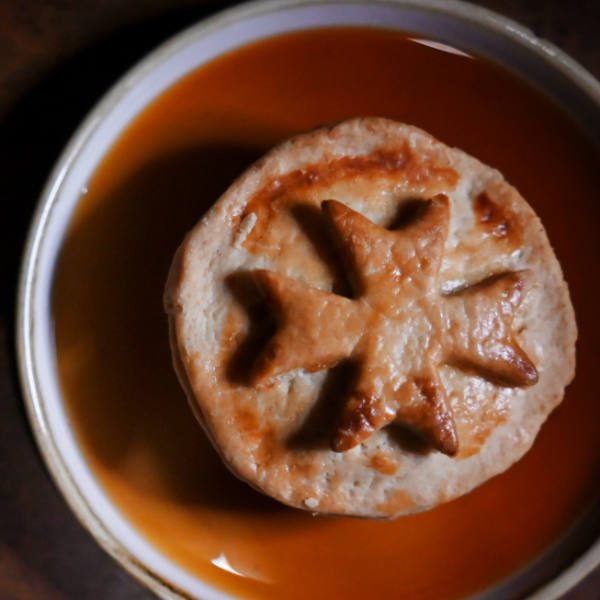
Autumn arrives quietly in Gozo. The first proper rain washes away the summer dust, the evenings draw in, and the island smells of wet stone and wild fennel again. In the fields around Victoria, farmers clear the last of the tomatoes and plant out cauliflower and greens. Out at sea, the lampuki are running.
It is the season we love most in the cellar. All summer, our 17th-century limestone vaults are a cool escape from the heat. By October they become something else entirely: a warm, candlelit room made for long lunches and slow suppers. And no food suits that mood better than a Maltese torta.
Ask any Maltese nanna and she will tell you the torta is less a dish than a calendar. Every season has its filling: fresh ġbejniet and broad beans in spring, lampuki in autumn, pumpkin and greens as the weather cools. The pie was how a household made the most of what the land and the sea provided, and turned it into something to share.
For generations, families carried their dishes through the village to the local baker, whose wood-fired oven did the work while they got on with their day. The food came home hot and ready for the table, usually a Sunday table, and usually a crowded one.
The pastry is simple: a short, buttery crust beneath, often a lid on top, glazed and pricked. What matters is the filling, and in autumn the fillings are at their very best.
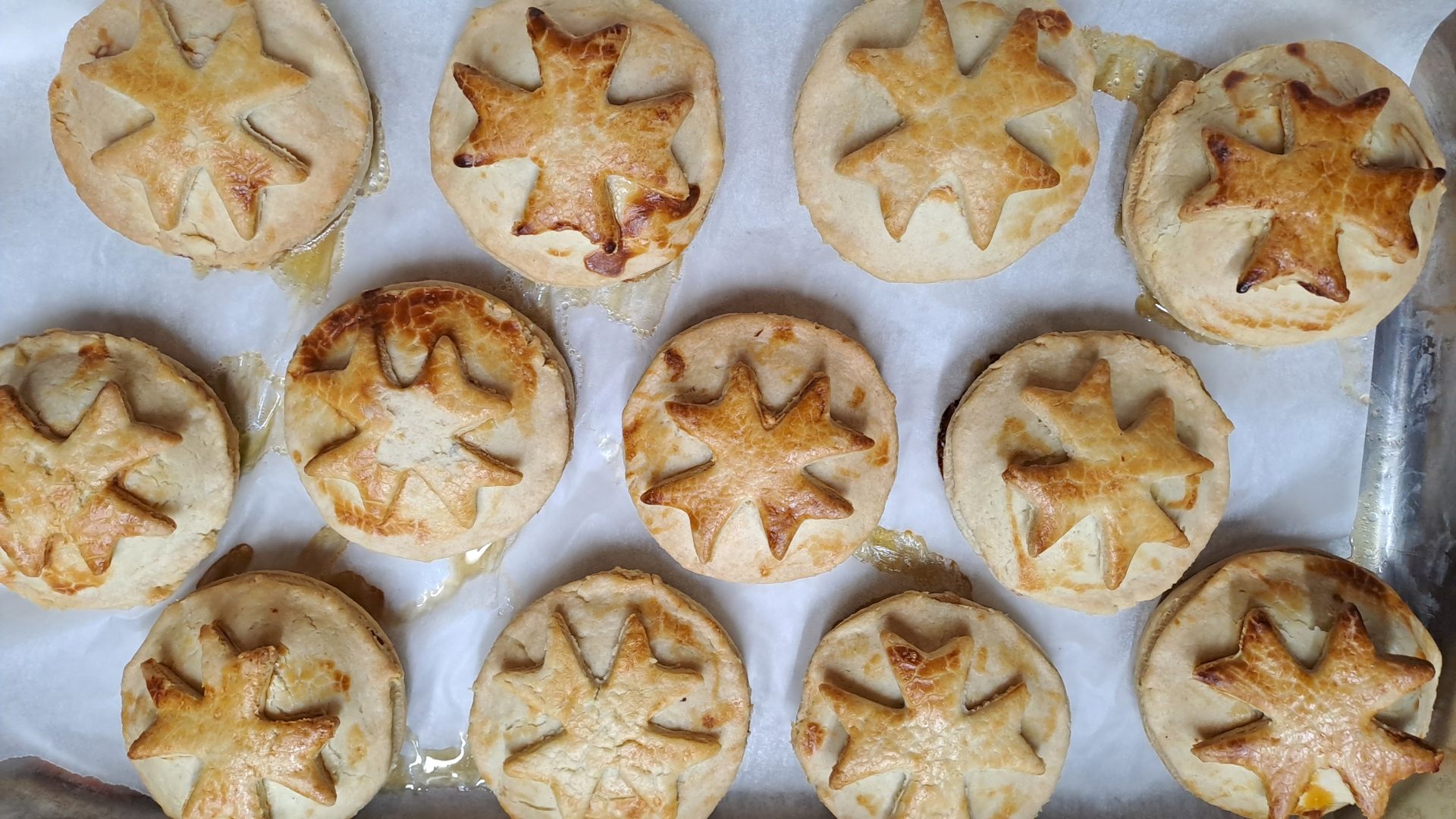
If one dish marks the start of autumn in Malta and Gozo, it is this one. The lampuki season opens on 15 August, when fishermen set out their kannizzati, floating rafts of palm fronds that draw the fish into their shade. It runs until the end of the year, and for those months lampuki are everywhere: fried, baked, stewed and, above all, baked into pies.
The fish, known elsewhere as mahi-mahi or dolphinfish, is lightly fried first, then flaked and layered with the flavours that make it unmistakably Maltese: cauliflower, spinach, onion, tomato, black olives, capers and a generous handful of fresh mint. Some families add raisins and walnuts, or a little lemon zest. Every recipe is somebody’s mother’s recipe.
The result is savoury, briny and bright: the taste of the sea at the turn of the season.
As the days shorten, great orange pumpkins appear at the market, and the qarħa ħamra becomes the heart of the autumn kitchen. In Maltese homes it goes into soups and minestra, and into one of the most comforting pies on the islands.
The pumpkin is softened slowly with onion until sweet and almost jammy, then brought together with rice, grated cheese and egg. Many families fold in olives, tuna or a few anchovies for depth, finished with parsley and plenty of black pepper.
It is humble, golden and quietly addictive: the kind of pie that vanishes slice by slice from the kitchen counter long before anyone sits down to eat.
No pie is more Gozitan than this one. Ġbejniet, the small round cheeselets made from sheep’s milk, have been made on the island for centuries, and Gozo’s farmers are still famous for them. Fresh, they are soft and milky. Left to dry, they firm up and sharpen. Rolled in cracked black pepper, they take on a gentle heat.
In a torta tal-ġbejniet, fresh cheeselets are mashed with eggs and chopped parsley, sometimes with peas folded through, then baked until the filling sets soft and creamy beneath a golden crust.
It is simple, delicate and deeply local: a quiet tribute to the island’s shepherds and their flocks.
The first autumn rains wake the fields, and within weeks the markets fill with greens: spinach, chard, beet leaves and the first heads of cauliflower. Torta tal-ħaxix, literally “vegetable pie”, is how Maltese cooks make the most of them.
There is no fixed recipe, and that is rather the point. The greens are wilted with onion and garlic, then combined with cauliflower, peas and olives, often with ricotta or a little grated cheese to bind it all together. Some add anchovies; others keep it entirely vegetarian.
Either way, it is fresh, generous and full of the island’s new season.
Rabbit is Malta’s national dish, and a fenkata, a long, noisy rabbit feast shared by family and friends, is as close to a national celebration as food gets. Most people know it as stuffat tal-fenek, the slow-cooked rabbit stew. Fewer have tried it baked in pastry, and that is a shame, because torta tal-fenek may be the richest pie of the season.
The rabbit is first braised gently in red wine with garlic, bay leaves and tomato until it falls from the bone. The meat is then picked, returned to its reduced sauce, often with peas and a little potato, and sealed beneath a pastry lid.
Deep, savoury and fragrant with wine and garlic, it is the pie for the first truly cool evening of the year, and the one most likely to have you asking for a second slice.
Pies are only part of the story. As the grape harvest ends and the olive harvest begins, our kitchen follows the season as it always has, cooking with what Gozo’s farmers and fishermen bring us from as close to our door as we can find it.
Join us in the cellar this autumn. Take a table beneath the old limestone vaults, order something to share, and settle in for the afternoon. To book, message us on WhatsApp or reserve through maldonado.com.mt. Maybe we should consider doing an autumn cooking class on making Maltese ‘torta‘.
Saħħa, and a happy autumn from all of us at Maldonado Bistro.